Style Guide
Fade vs Taper:
The real difference.
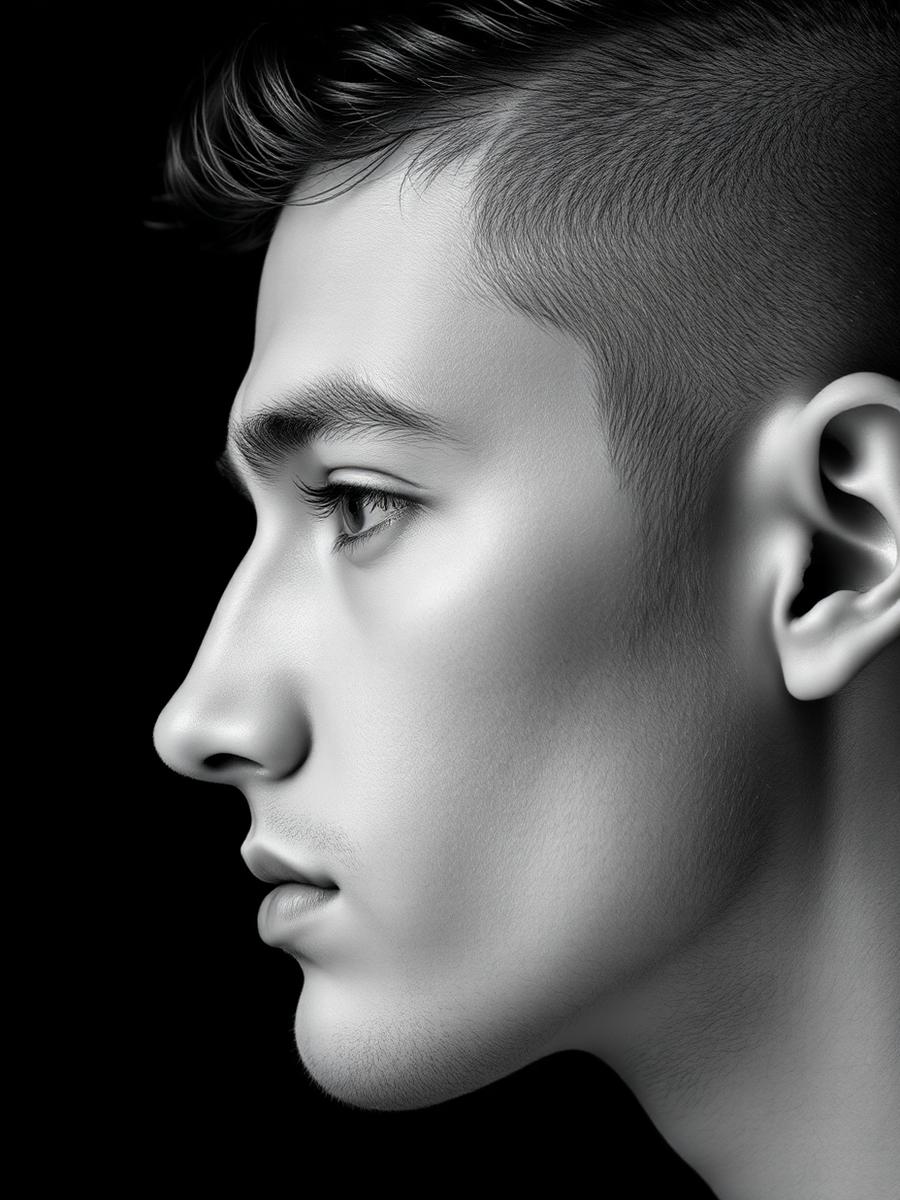
If you've ever sat in the chair and struggled to describe exactly what you want, you're not alone. Two of the most requested — and most confused — cuts are the fade and the taper. They look similar from a distance, but the blend line, the silhouette, and the maintenance are completely different.
What is a fade?
A fade takes the hair down to the skin or very close to it, usually starting at the temples or above the ears. The transition is short, aggressive, and high-contrast. The defining feature is that the hair disappears into the skin — no weight line left behind.
What is a taper?
A taper leaves the hair longer as it moves down the head and neck. The blend is gradual, softer, and keeps some weight at the natural hairline. It's the cut you ask for when you want a clean, professional look that still grows out gracefully.
Fade
- • Skin or near-skin at the bottom
- • High contrast, sharp transition
- • Bold, modern, street-forward
- • Needs touch-up every 1–2 weeks
Taper
- • Longer hair left at the neckline
- • Soft, gradual blend
- • Classic, versatile, office-ready
- • Can stretch 3–4 weeks between cuts
Which one is for you?
If you want maximum impact and don't mind frequent visits, go for a fade — especially a mid or high fade. If you want something that looks polished and grows out without looking rough, the taper is your move. Head shape matters too: rounder heads often benefit from a taper's weight, while oval and angular head shapes can carry a fade's sharp lines beautifully.

Still deciding? Bring a photo and we'll build the cut around your face shape.
Book a consultation